• Skip to primary navigation
  • Skip to main content
  • Skip to footer
  • Home
  • About Me
  • In the Press
  • My Gear

sunilsphotos

Sunil's Bird Photography

  • Fine Art Prints
  • Travel Blog
  • Contact Me

Travel

Birds of Cuba

February 4, 2026 by Sunil Gopalan 8 Comments

Cuba. Geographically close but historically challenging to reach for visitors from the United States. Its accessibility is shaped by shifting policies and paperwork rather than distance

After plenty of planning, and navigating the necessary permissions, I finally set foot on the island last Spring under the appropriate license.

Havana

My trip, after landing in Havana went through Las Terrazas, Viñales, Zapata Peninsula, Girón, Bermeja, Trinidad, Camagüey, Najasa, Cayo Coco, Cayo Guillermo and points between. These are some of the birds I encountered along the way.

After overnighting in Havana, I visited some farmland in Las Terrazas. Wide variety of species were found here including La Sagra’s Flycatcher, the cute Cuban Tody, Cuban Grassquit, Cuban Trogon, West Indian Woodpecker, Fernandina’s Flicker, Stygian Owl, and omnipresent Red-legged Thrush.

That evening I reached Viñales, where new species kept the momentum going. Cuban Pewee, Olive-capped Warbler, and Yellow-headed Warbler joined the list, along with more West Indian Woodpeckers actively nesting—always a treat to observe.

Sunset at a farm in Viñales

I swung my way back east through Matanzas the next day picking up some great views of Cuban Pygmy Owl, Bare-legged Owl, nesting Fernandina’s Flicker, and Gray Kingbird.

 Cueva de los Portales

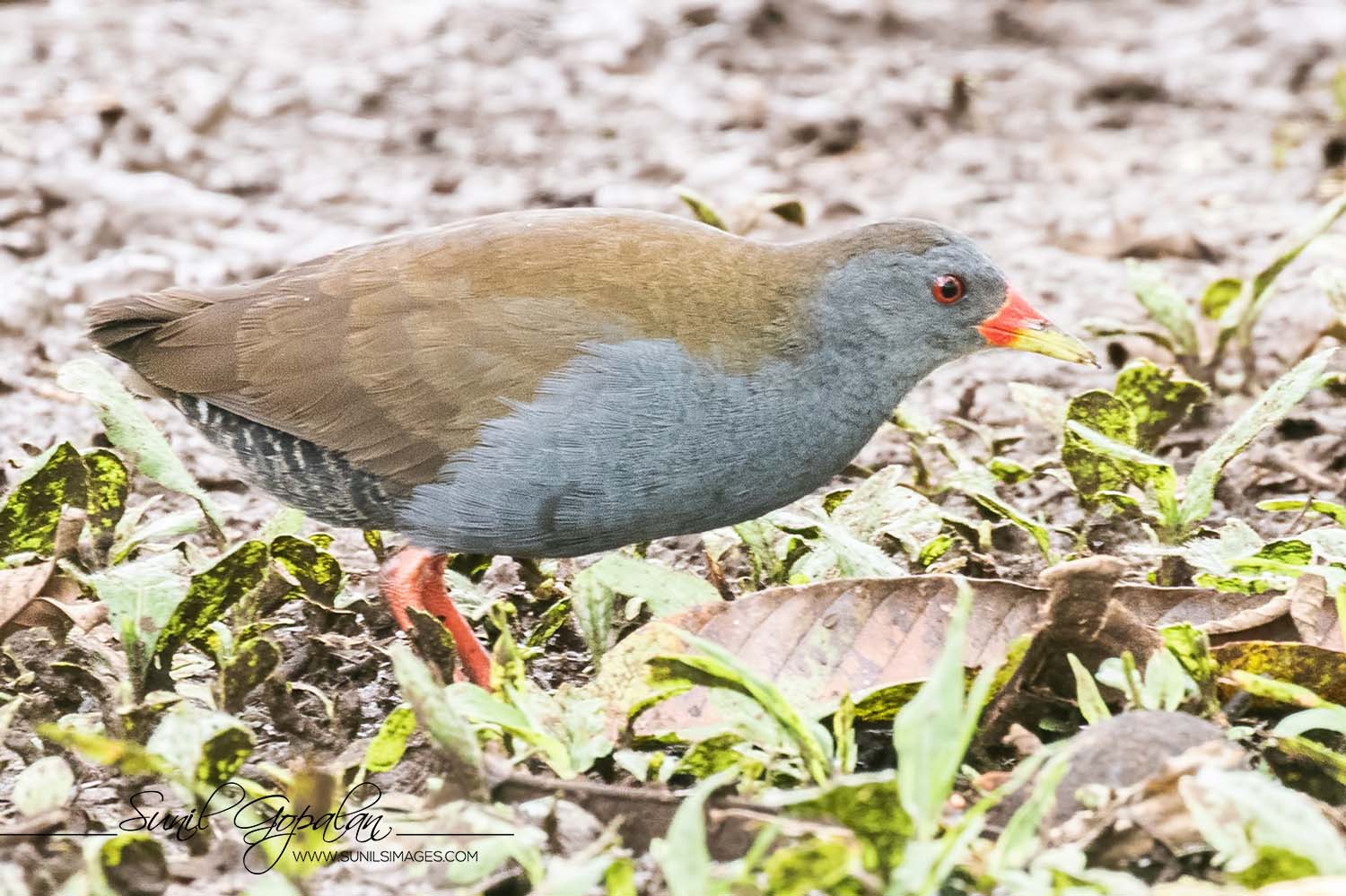
The Zapata Peninsula in southern Cuba is a premier Caribbean birding destination, characterized by extensive wetlands, mangrove forests, and sawgrass savannahs. It is globally renowned for harboring rare, endemic species found nowhere else. I spent several days on the peninsula, staying at Playa Giron – it’s a gem of a place with birds ranging from the tropically colorful Cuban Parakeet, shimmering little Bee Hummingbird, three species of quail dove, exceedingly rare Zapata Wren and a lot more.

Some of these birds were on private farmlands outside of the park – this included the already mentioned Cuban Parakeet and Bee Hummingbird – one of the smallest known birds!

A park ranger provided access to a blind that allowed intimate views of Blue-headed and Gray-fronted Quail-Doves—an unforgettable experience. Other species turned up conveniently right on hotel grounds.

And of course, a really big deal was the endemic and endangered Zapata Wren which was found after a long drive through heavily wooded terrain and a flat tire along the way.

Deep into Zapata

The Cuban Tody and Cuban Trogon were found along the way.

Playa Girón

After moving on from Zapata, I made my way further east to Trinidad. Along the way adding Great-Lizard Cuckoo, and the Cuban subspecies of American Kestrel.

Trinidad is one of the best preserved cities in the Caribbean. It is a UNESCO World Heritage Site because of its  historical importance as a center of the sugar trade in the 18th and 19th centuries.

An early morning in Trinidad filled with the distinctive calls of Antillean Nighthawks.

Camagüey netted me the Cuban subspecies of Eastern Meadowlark, Cuban Martin, Smooth-billed Ani and Black-crowned Night-Heron

On the way through Cuba’s north-central coast, I added the Cuban Gnatcatcher, and Cuban Bullfinch.

Before the long return drive to Havana, I spent two nights on Cayo Coco, a low island off Cuba’s north-central coast. It was a fitting finale—sunlit, windswept, and rich with birdlife—bringing a memorable journey through one of the Caribbean’s most distinctive avian landscapes to a close.

Filed Under: Birds, Travel Tagged With: birds, cuba, endemic, photography, travel

Audubon Photography Awards Win

June 21, 2023 by Sunil Gopalan 2 Comments

I’m thrilled with my win of the Fisher Prize in the 2023 Audubon Photography Awards. The winning photograph shows the interaction between a pelican in the water at night and the ghostly silhouette of a shark swimming up underneath it.
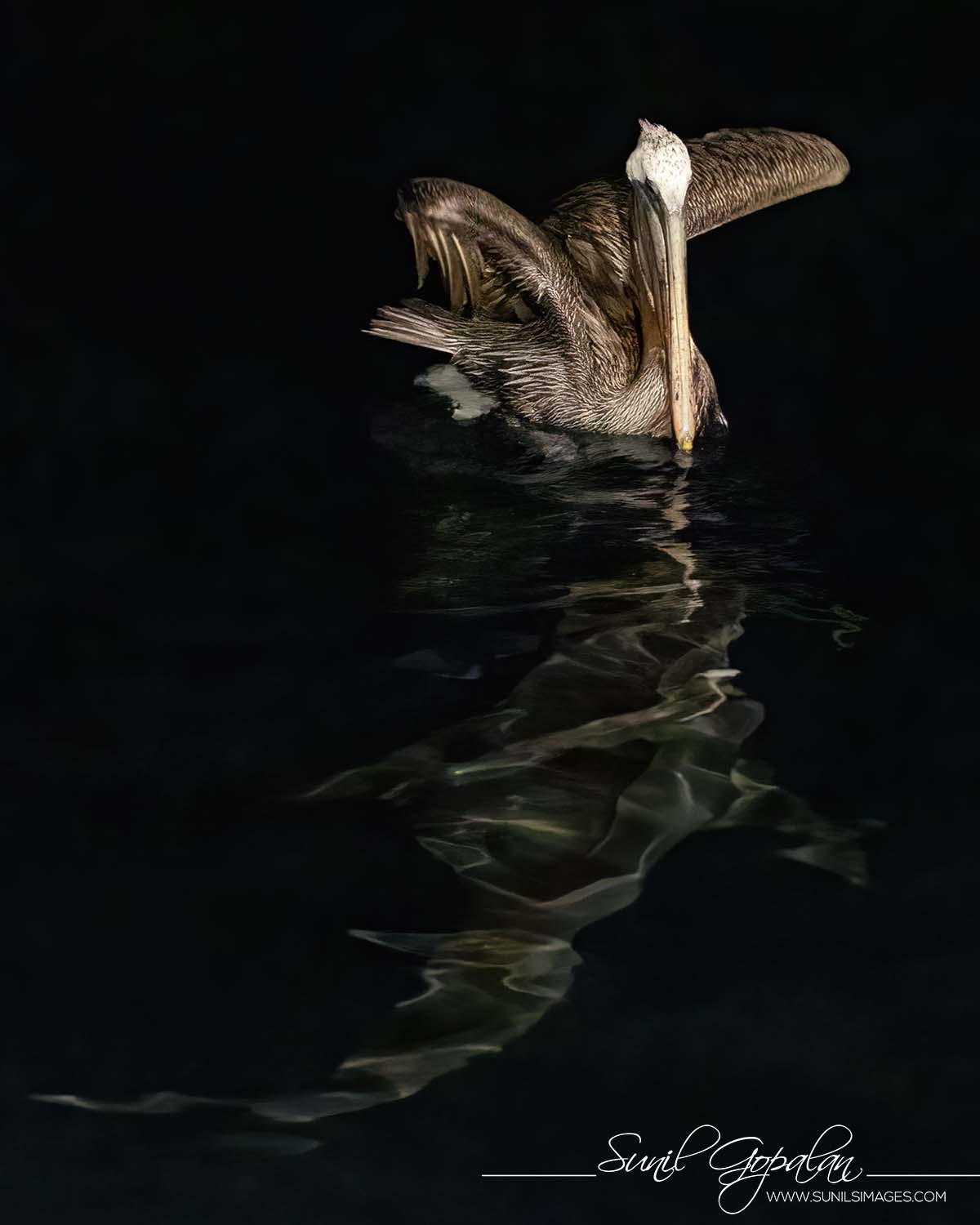
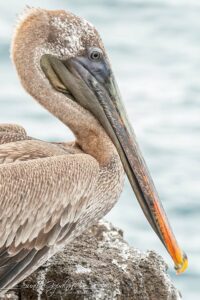
Brown Pelican and Galapagos Shark

From the APA description of the award:

 It recognizes the most creative approach in photographing birds—for example, highlighting an unexpected point of view—blended with technical expertise and an original composition. The Fisher prize pushes the traditional canons of bird photography to daring new heights, while never compromising strict ethical guidelines.
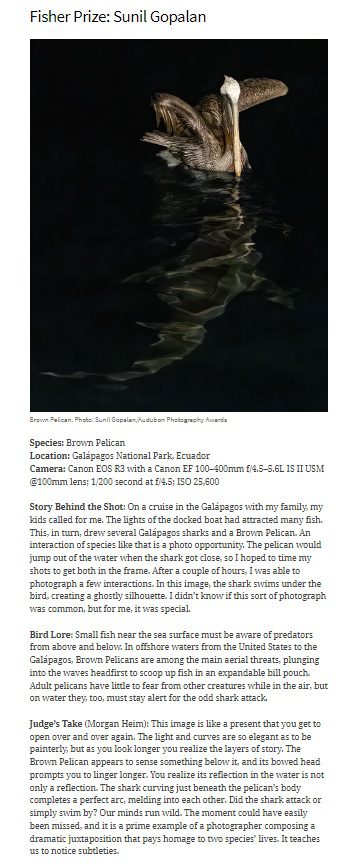
The image was created while on a family trip to the Galapagos last year. You can read more about that trip as a whole here.

Suffice to say, the cruise was photographically very productive, but the fun doesn’t stop when everyone goes to bed. At night, when the boat was anchored, the lights off the stern attracted many little fish. This in turn attracted several Galapagos Shark as well and a Brown Pelican. With my daughter acting as a spotter, I was able to photograph a few different interactions between the two species including this shot where the shark swims right under the pelican.

I have always been a huge proponent of shooting in very little light, and the latest technology makes it easier than before. That said, this was a very noisy shot at ISO-25600. Many props to the fine Canon R3 and denoising capabilities of Topaz Denoise AI for letting me pull this off.

The image will be in the Summer edition of Audubon Magazine.
Filed Under: Awards, Birds, Travel Tagged With: birds, galapagos, photography, travel, wildlife

Birds of the Rio Grande Valley

February 1, 2023 by Sunil Gopalan Leave a Comment

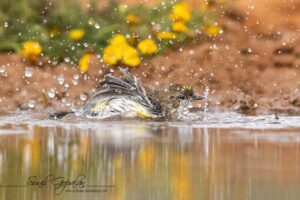
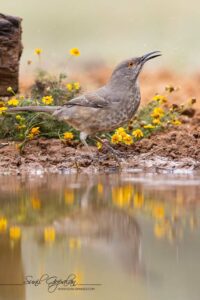
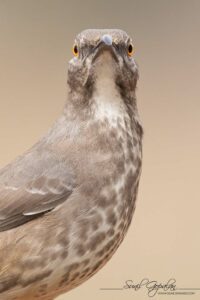
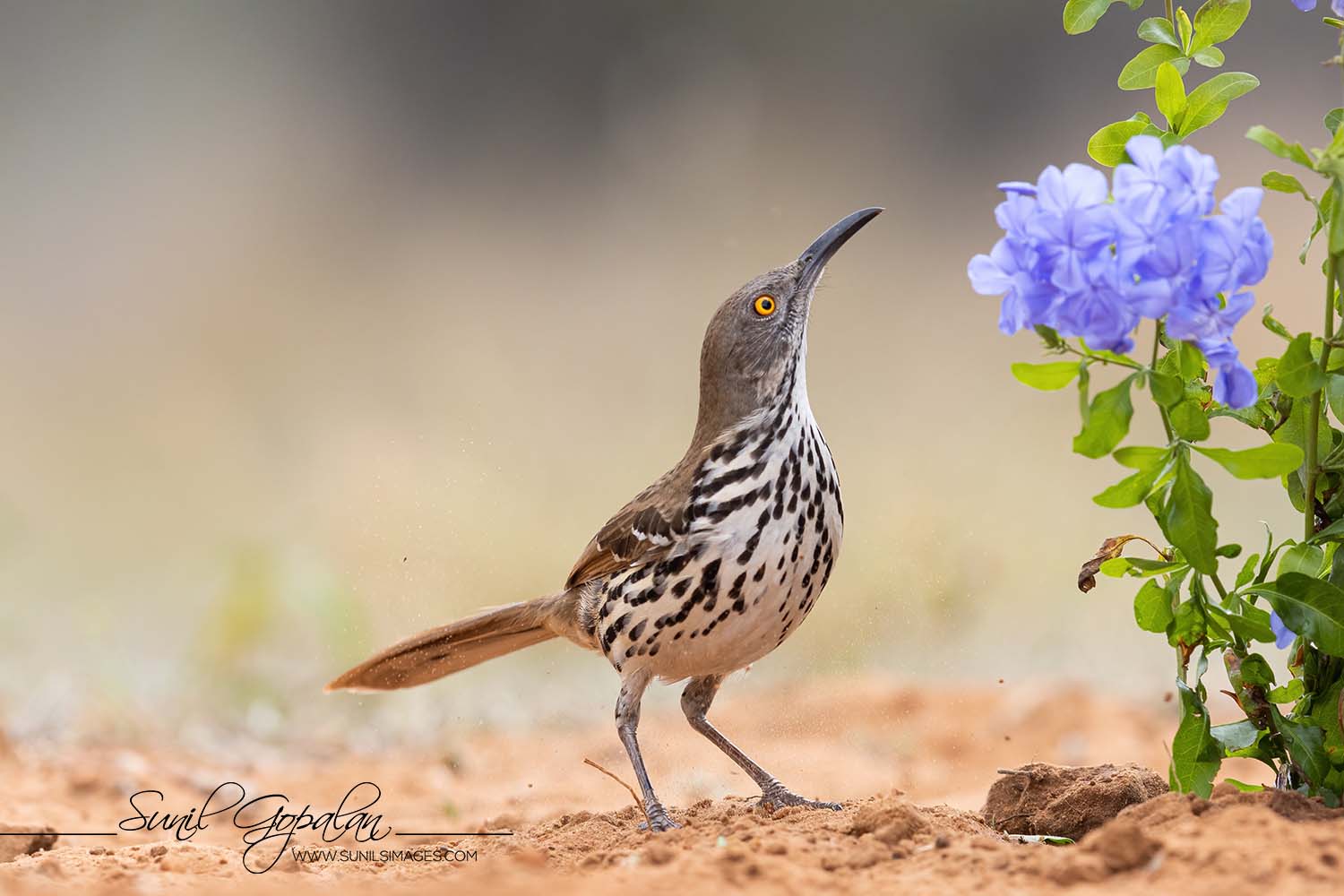
I had the opportunity to spend a day in the Valley this winter. Many of the species found here are typical of eastern Mexico, not found north of the border beyond extreme south Texas. This Long-billed Thrasher is a non-migratory native of the area.

Long-billed Thrasher

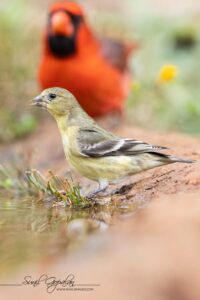
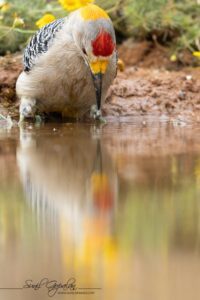
With the normally dry weather in this area, birds are attracted to any and all sources of water – so blinds set up near these ponds can be exceptionally productive.

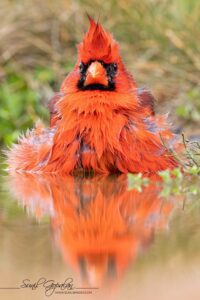
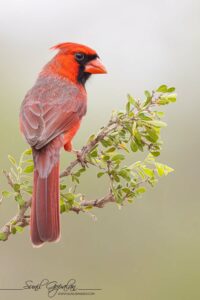
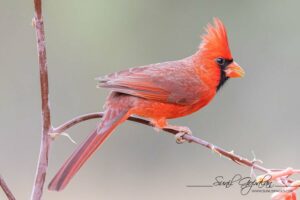
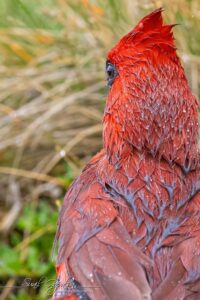
The Northern Cardinal is of course a much more widely ranging bird, but some beautiful opportunities were presented with this species here.

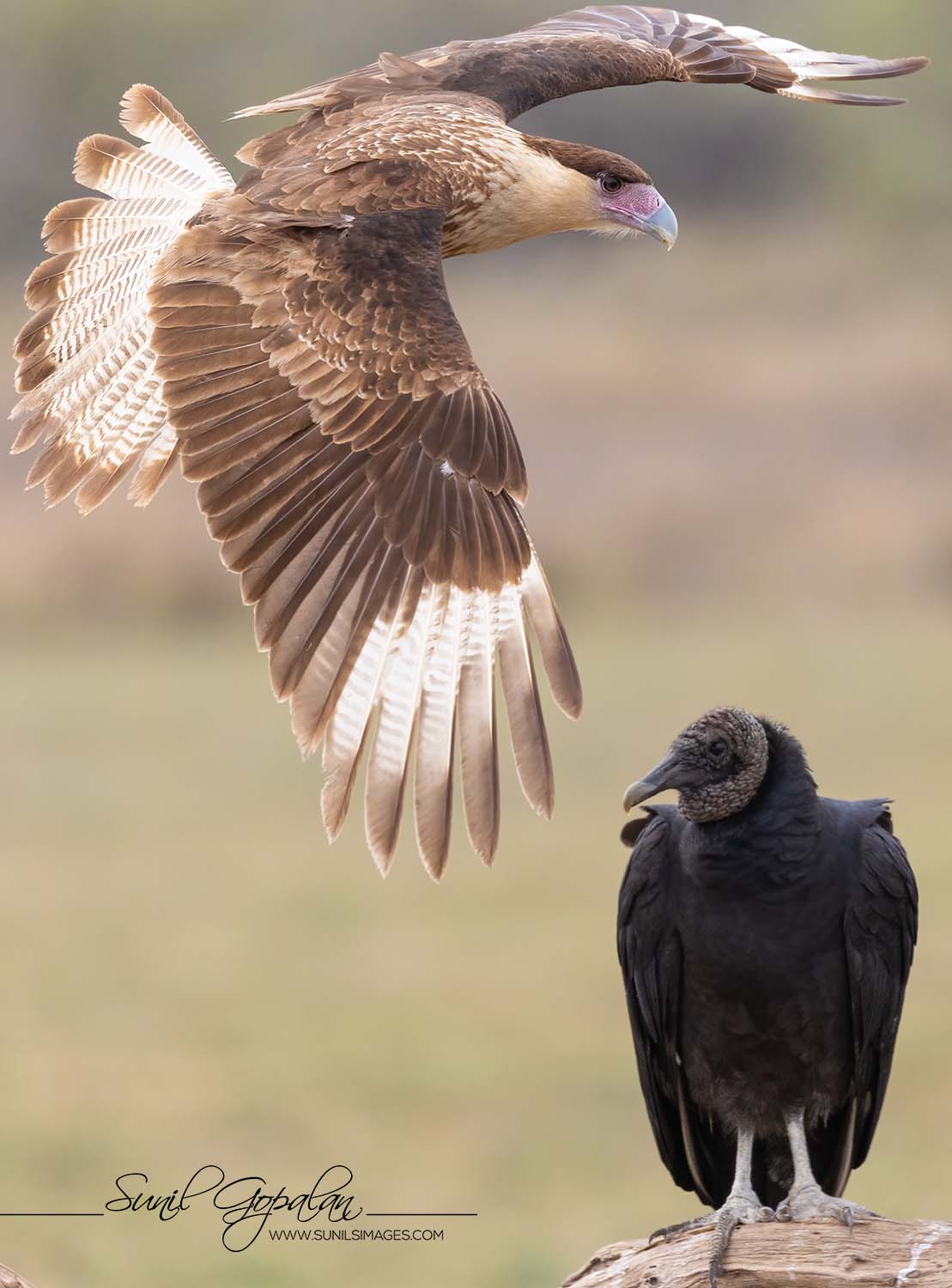
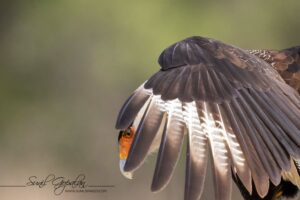
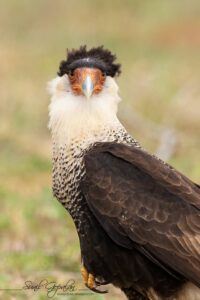
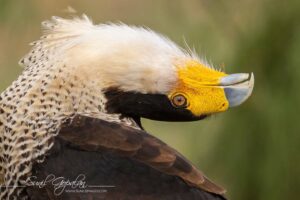
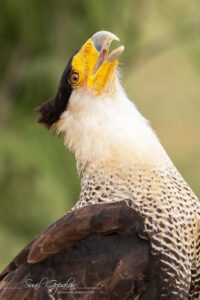
While a day was all I had, I was able to visit the Raptor blind at the Laguna Seca Ranch. Crested Caracara were the stars of the show.

Crested Caracara and Black Vulture

As with other species, a long lens was able to accomplish much closer shots showing great behavior.

And here are some remaining shots to wrap up the work from the day.

So until next time!

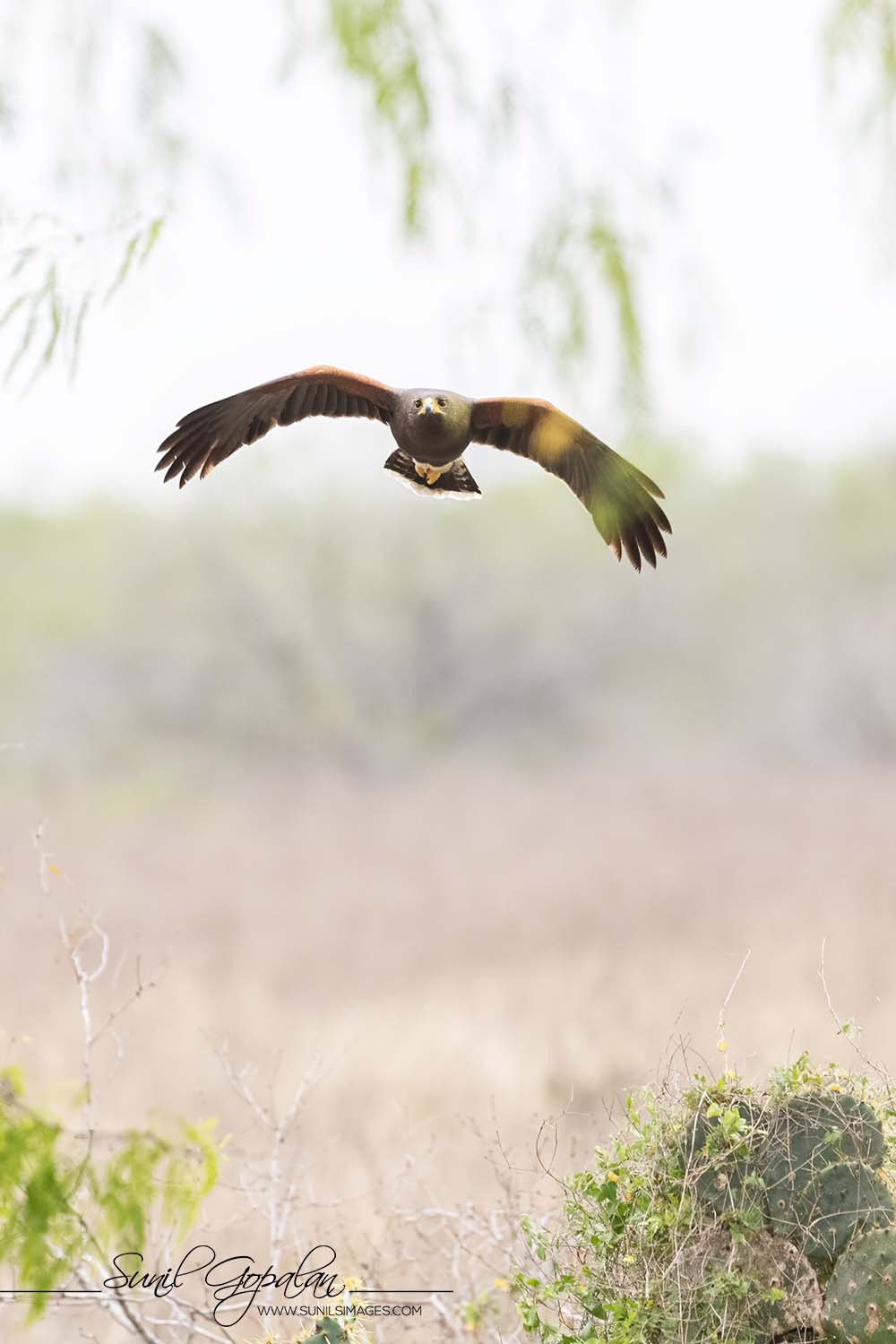
Harris’s Hawk

Filed Under: Birds, Travel Tagged With: birds, photography, texas, travel, wildlife

Wildlife of the Galapagos

August 21, 2022 by Sunil Gopalan Leave a Comment

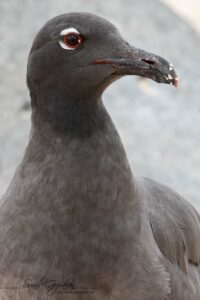
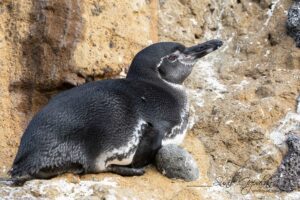
I traveled with my family to Ecuador this summer – and while there spent a week in the Galapagos. The Galapagos islands are of course famous for some very unique flora and fauna. The islands are remote and harsh, but at the same time pristine and frankly, extraordinary. And they are a wildlife photographers dream!

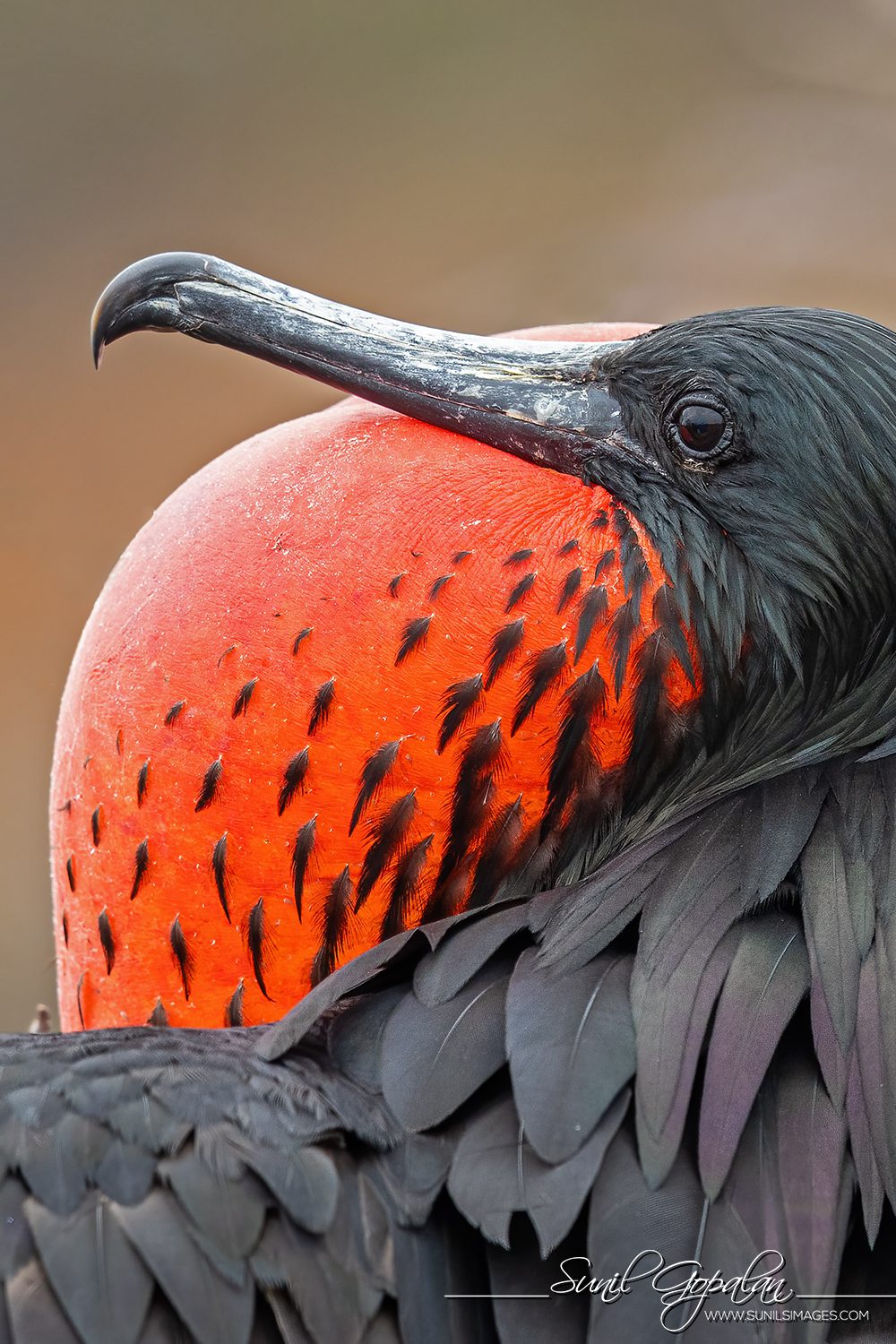
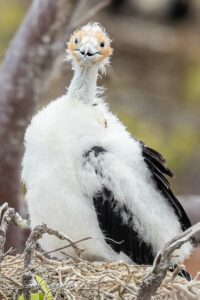
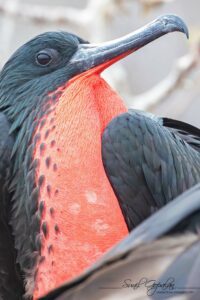
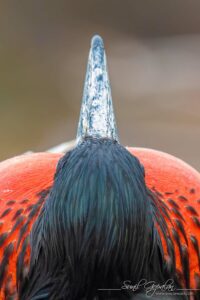
Great Frigatebird

The only practical way to at least somewhat cover what the Galapagos has to offer (and somewhat is a very appropriate word to use here) is by boat. We traveled on the gorgeous Grand Majestic and these images chronicle what we saw at various stops along the way.

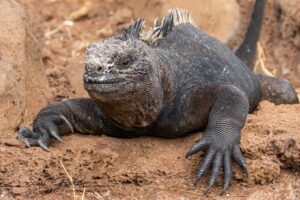
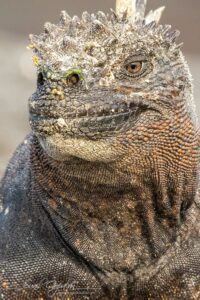
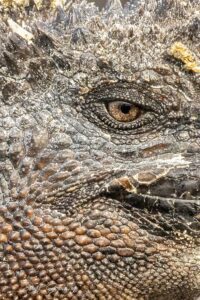
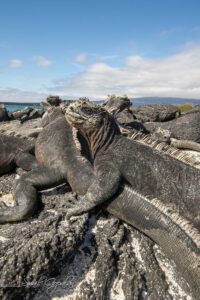
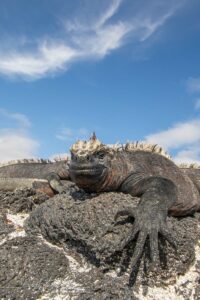
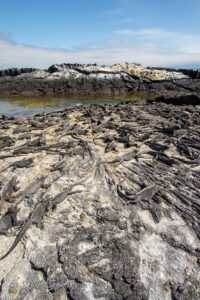
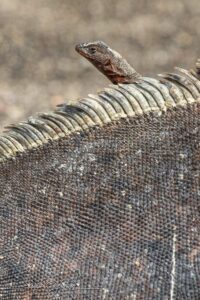
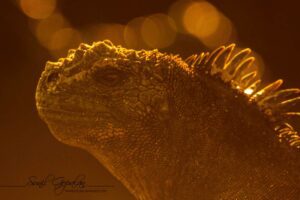
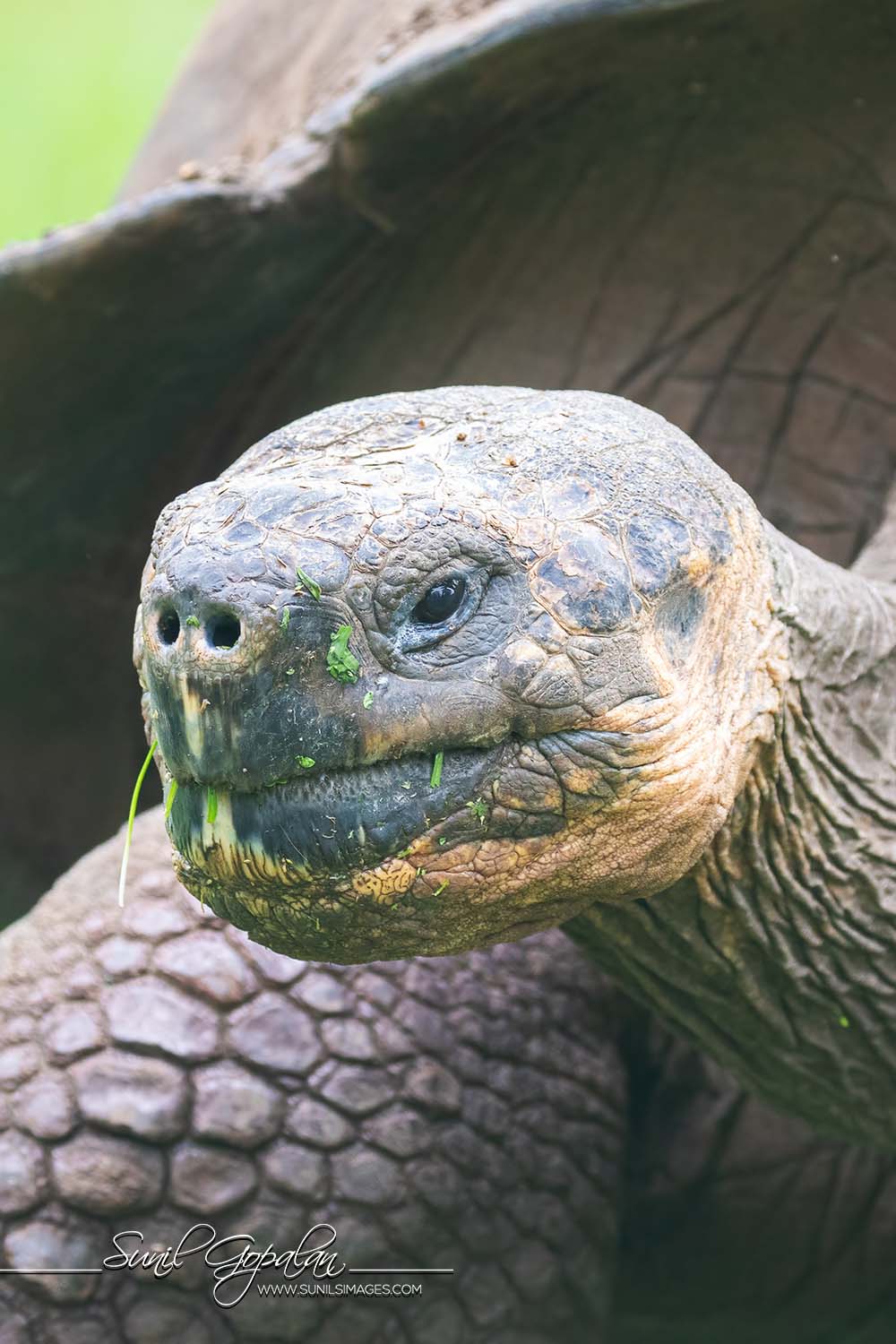
Our first day was spent on San Cristobal. We did some exploring of the island on foot before boarding the boat and saw our first marine iguanas. We also visited the Jacinto Gordillo Breeding Center where we were able to see our first Giant Tortoises.

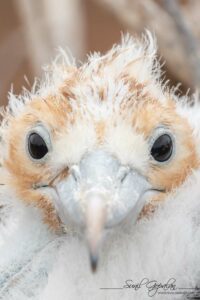
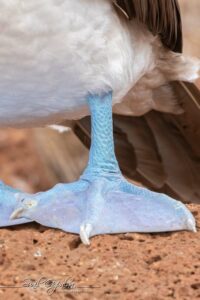
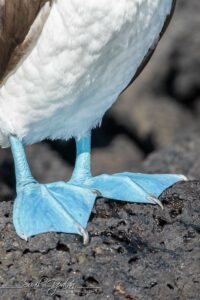
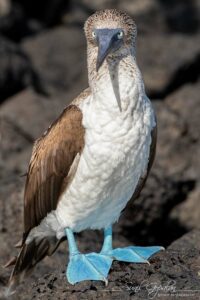
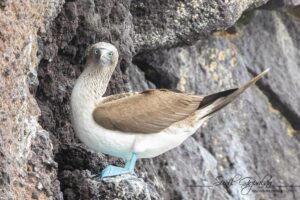
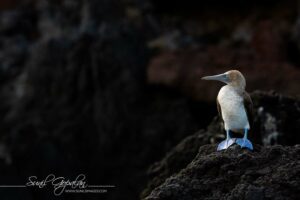
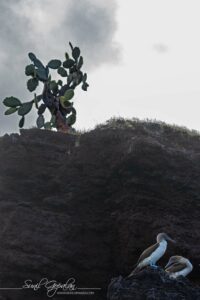
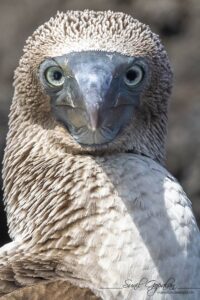
On day two we visited North Seymour Island. This island is a bird watchers delight with nesting frigatebirds and Blue-footed boobies that can be observed at very close range. A lot of people think that a super telephoto is out of place on the Galapagos islands. I grabbed my 600/4 along nonetheless and was very glad I did.

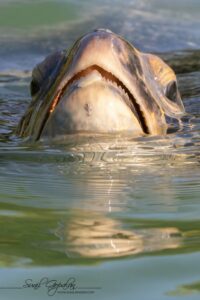
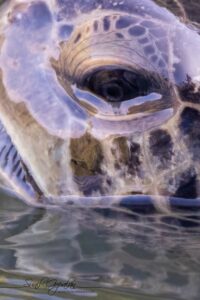
Our second stop on day two was Black Turtle Cove on the north shore of Santa Cruz Island. No landing this time, but we were able to admire several turtles from our panga. Try catching a turtle as it surfaces for air to keep your skills sharp!

At night – the mooring lights attracted small fish, which attracted both Brown Pelican and Galapagos Shark! It was quite a late night.

Brown Pelican and Galapagos Shark

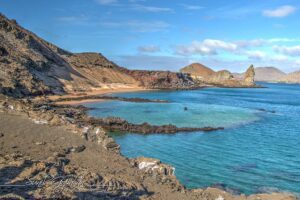
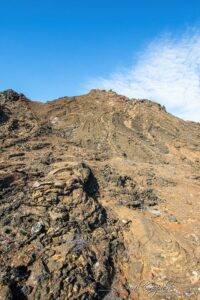
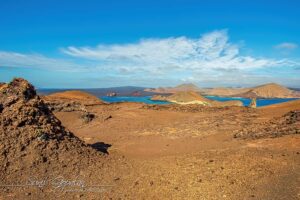
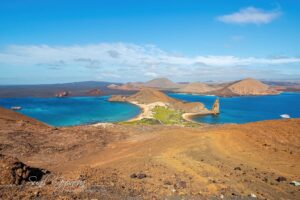
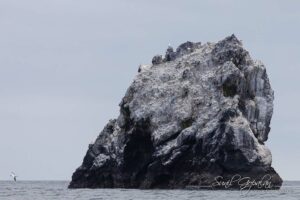
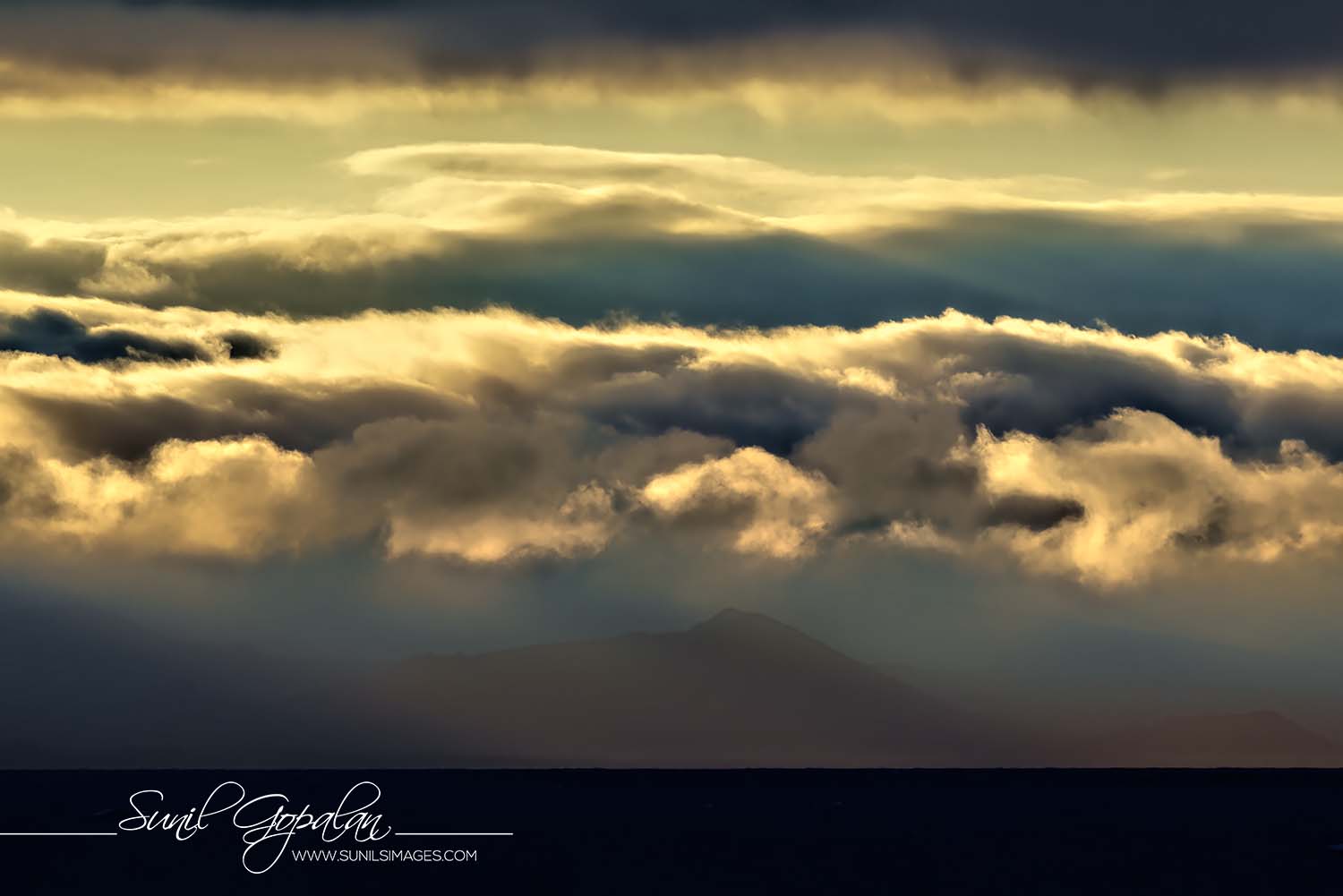
Day three began with us anchored near Bartolome Island – home to some great landscapes and Pinnacle Rock (if you’ve watched the movie Master and Commander you’ve seen this place).

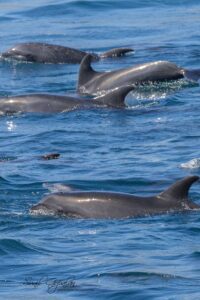
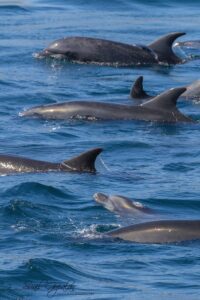
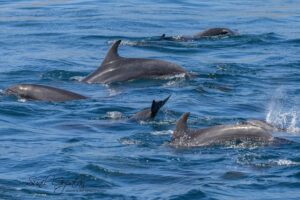
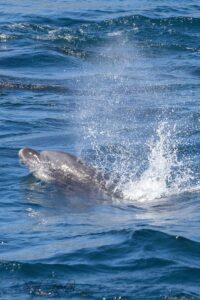
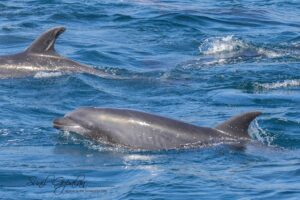
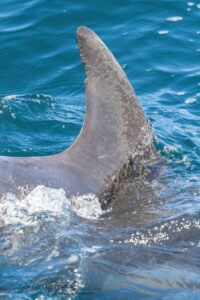
On the way to our evening stop, we ran into a pod of pilot whales! The captain made sure we got a good look at them.

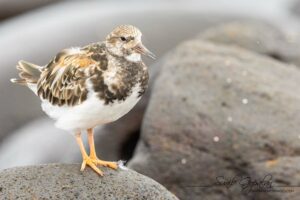
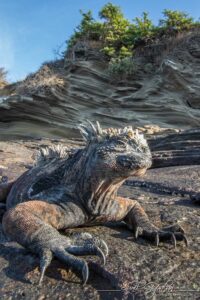
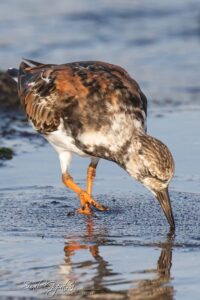
And the evening stop for the day was Puerto Egas beach on Santiago Island. This place offered opportunities to get up closer with some marine iguanas and Ruddy Turnstones (which didn’t seem to excite anyone else). An opportunity to get close is an opportunity to include some of the scenic Galapagos landscape in the photos. I put my ultra wide-angle to good use.

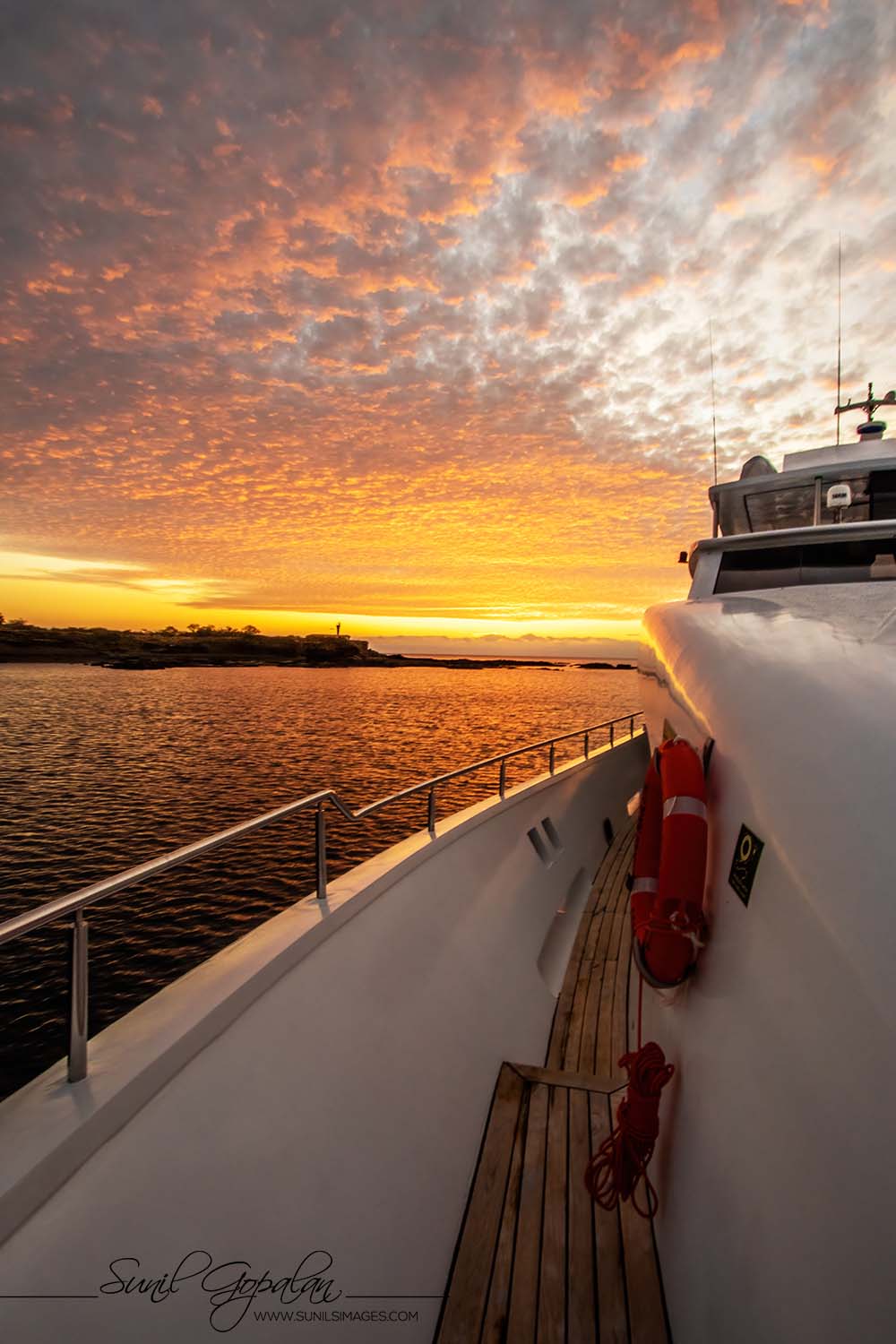
The end of the day from the boat was the first of many gorgeous sunsets.

Sunset/Santiago Island

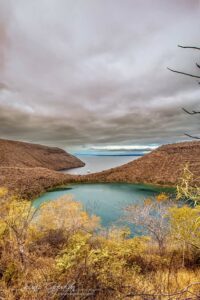
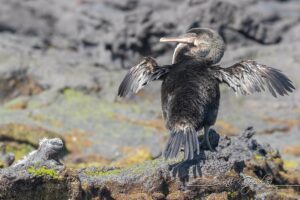
Day four was spent on Isabela Island. If you’ve seen a map of the islands – this is the seahorse shaped one. Here we saw (and swam with) the endemic flightless cormorant.

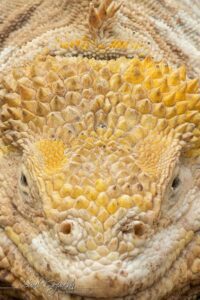
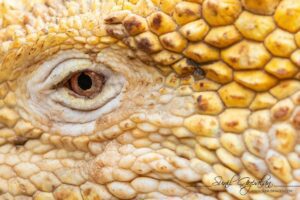
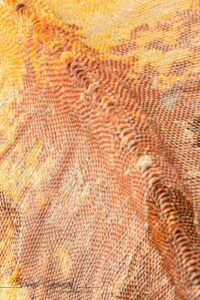
And the golden land iguanas.

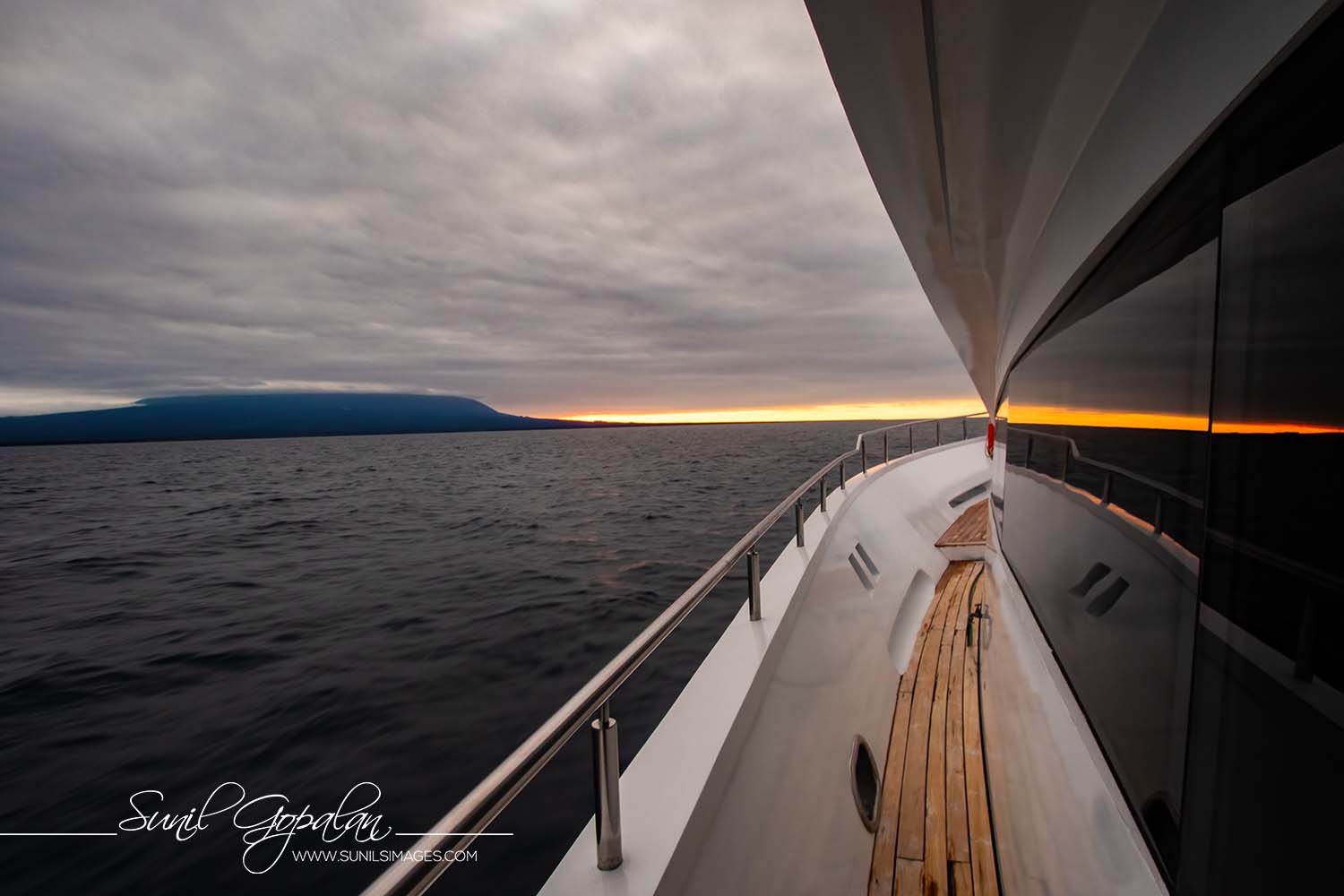
Sunset off the boat on day four reflected in the the cabin windows.

Sunset reflected on cabin windows

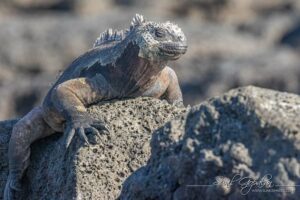
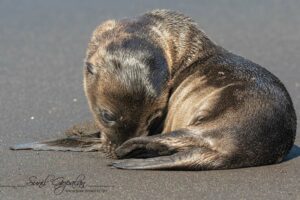
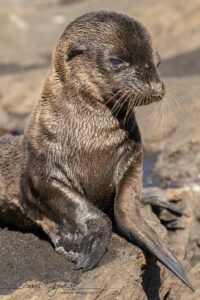
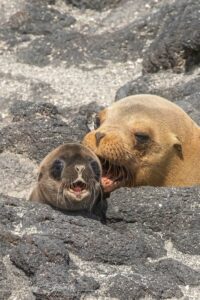
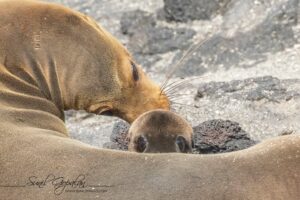
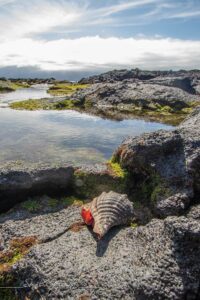
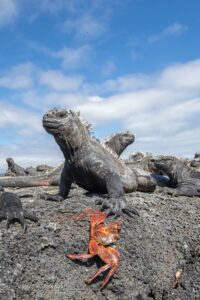
Day five was spent on Fernandina Island – where Espinosa Point was marine iguana central. Fernandina is the westernmost and youngest of the Galapagos islands. Since the volcanic activity here was very recent, there is little by the way of plant life. Other noteworthy sightings were a newly born sea lion pup, and a sea snail!

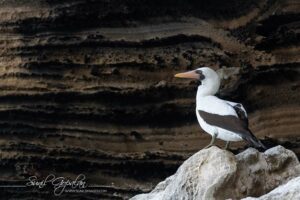
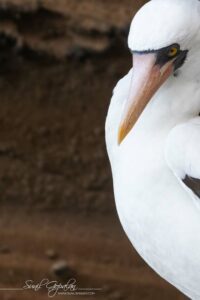
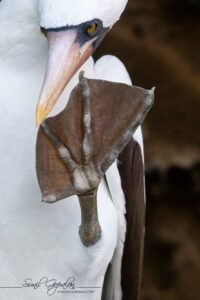
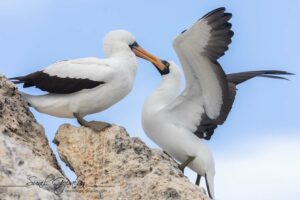
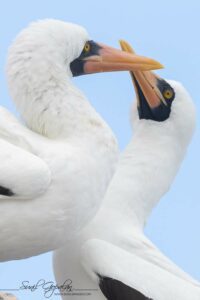
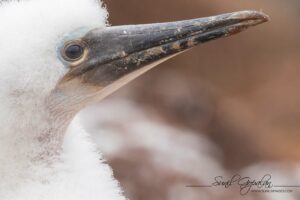
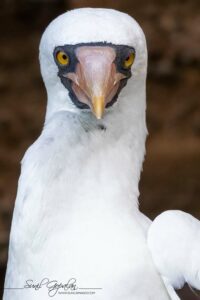
Day six was on Santiago Island where we visited Buccaneer Cove, Espumilla Beach and Sullivan Bay. The island is volcanic, with pools and caves carved from the lava shoreline. We got our first good looks at Nazca Boobies.
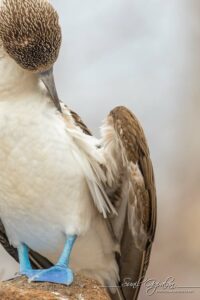
And some more photos..

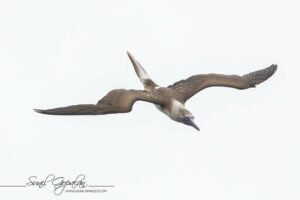
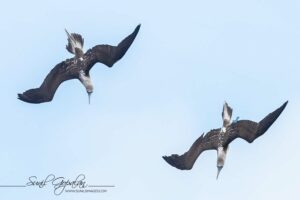
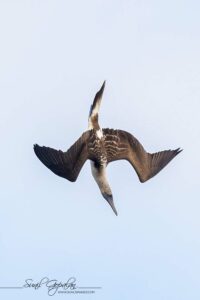
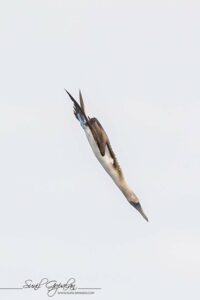
We also spent some time watching the Blue-footed boobies diving. They are fast and difficult to photograph in the air.

Sunset/Day Six

Day seven – as we head to Santa Cruz, the sunrise was once again gorgeous. Enjoying a cup of coffee watching this is a great way to greet the day.

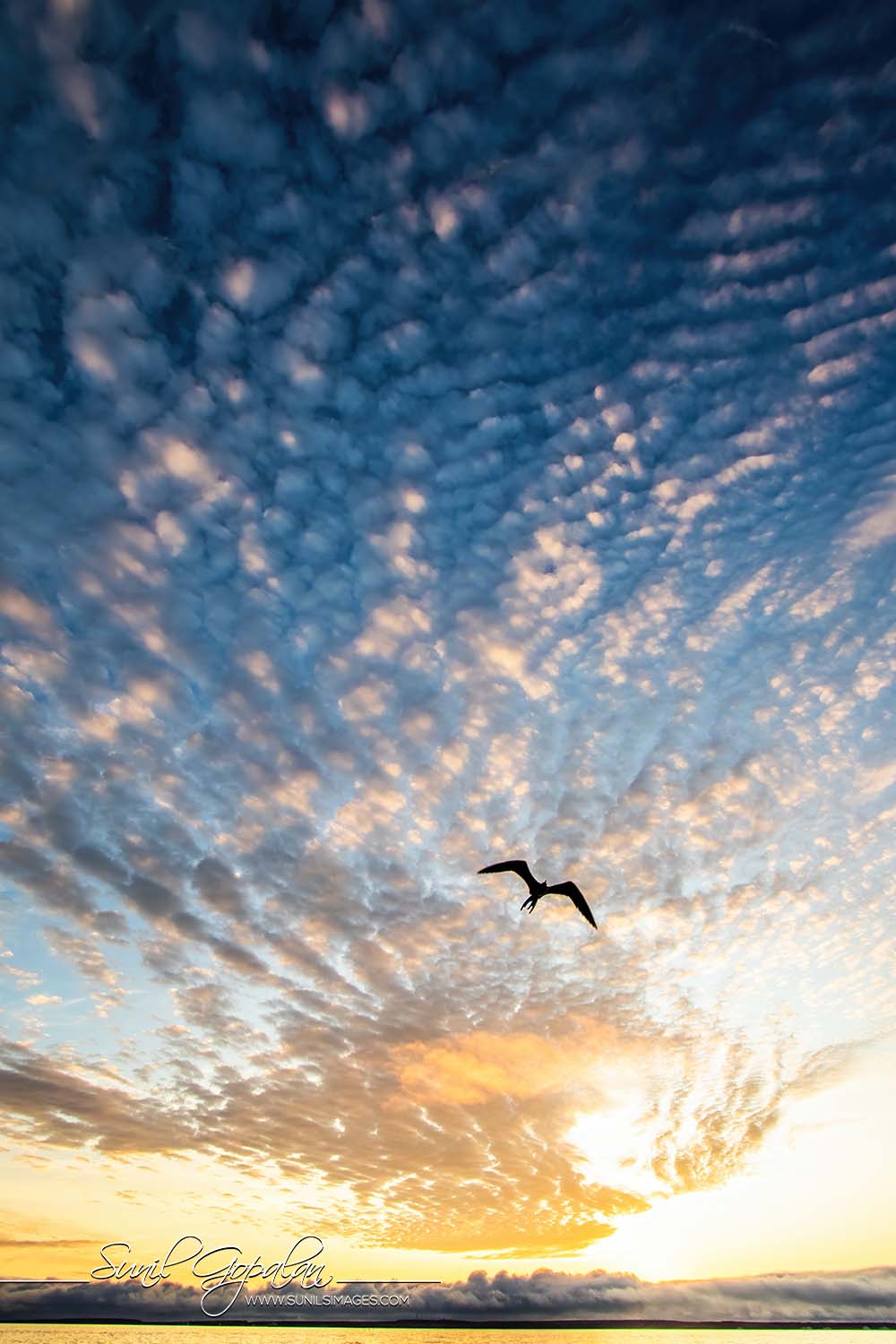
Frigatebird against the rising sun

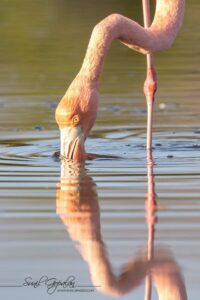
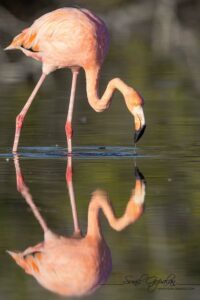
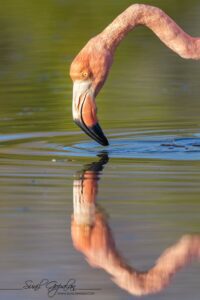
Our morning stop was at Bachas Beach on Santa Cruz. This beach is covered in white coral sand, and it’s a major nesting site for Galapagos green turtles. There is also a lagoon just behind the sand which hosts flamingos.

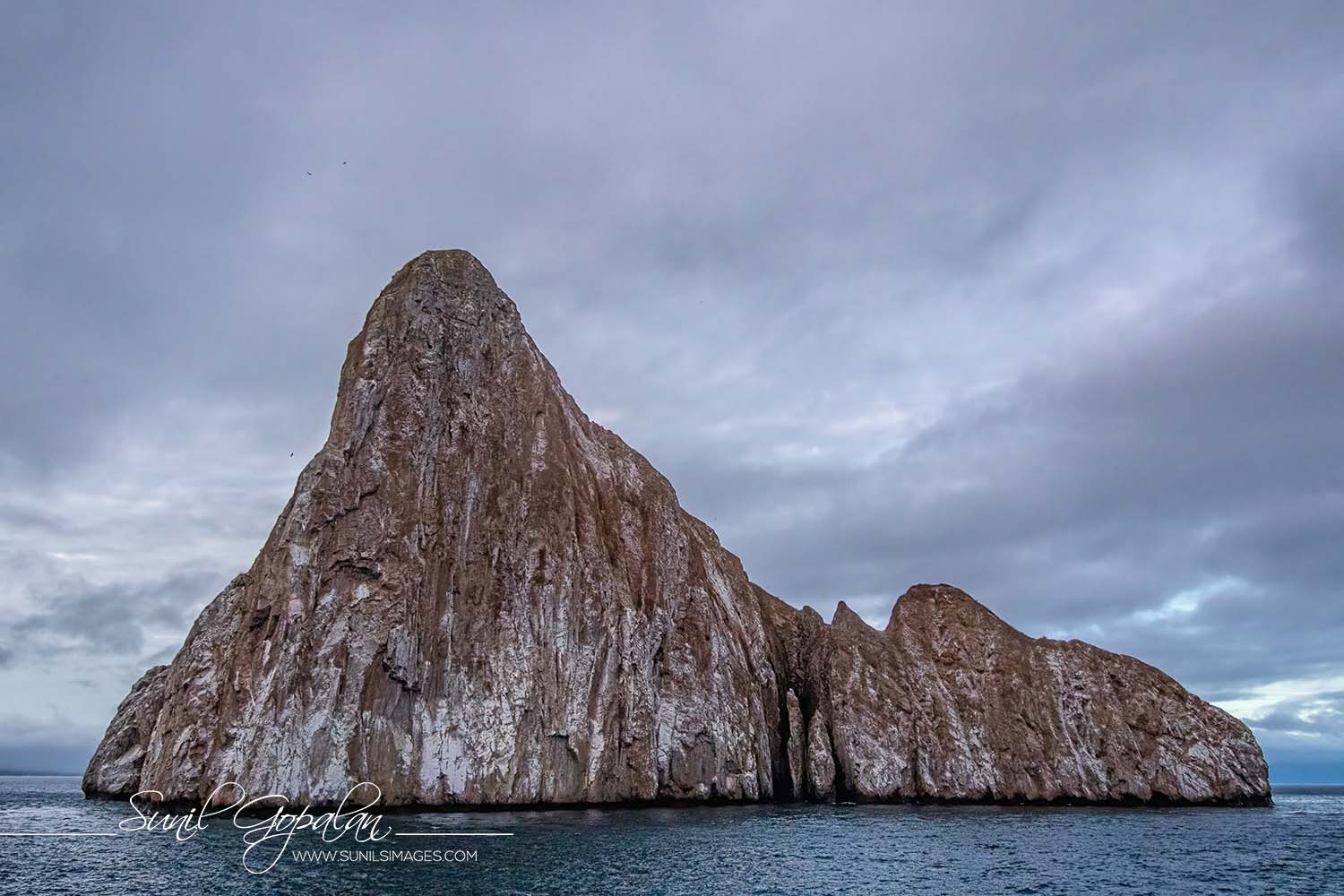
And a few images from our last couple of days – including the Giant Tortoise from El Chato Tortoise Reserve in Santa Cruz, and the famous Kicker Rock where we were anchored on our last morning.

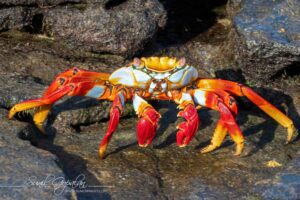
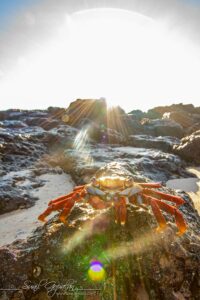
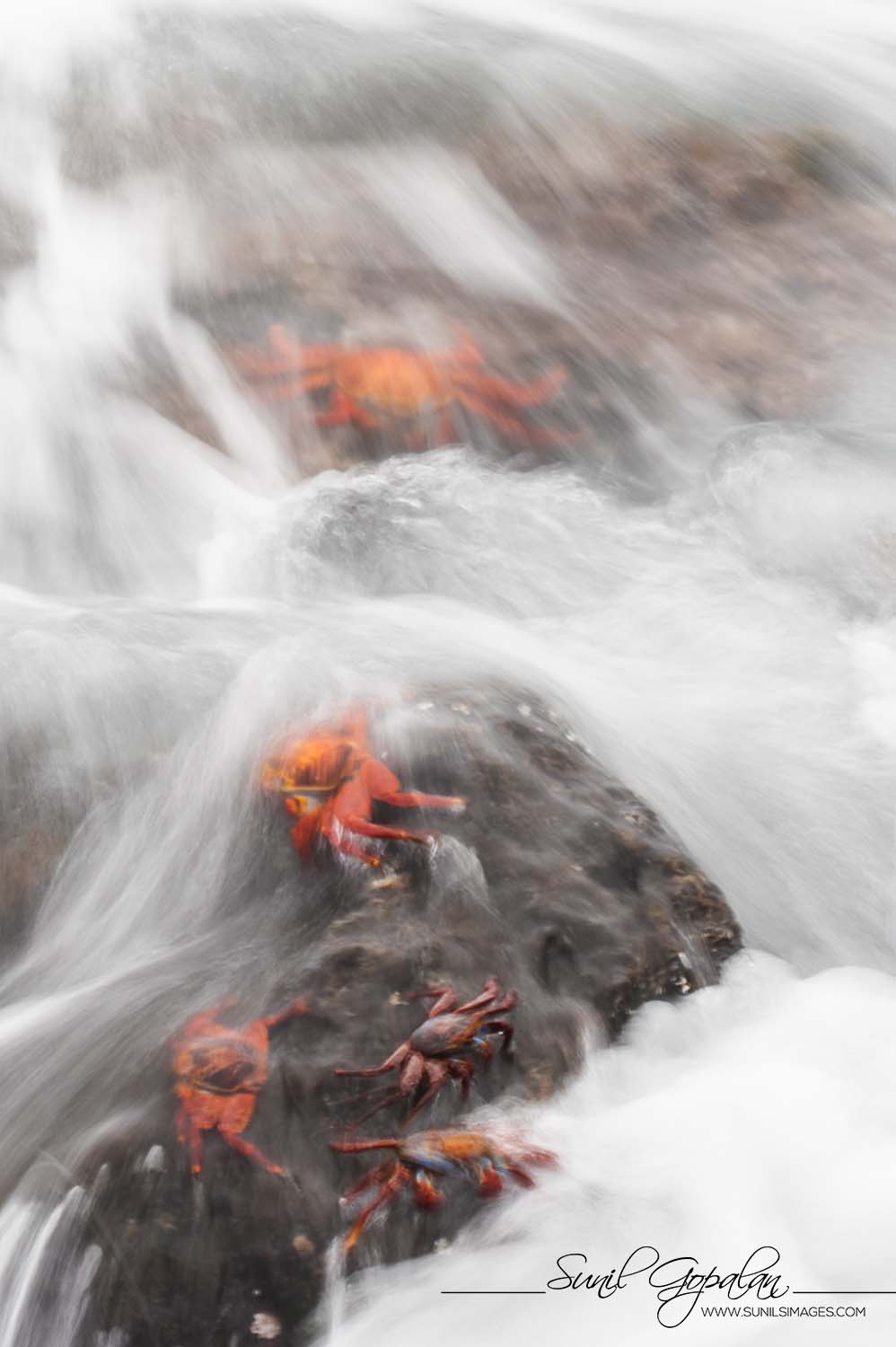
Our Galapagos cruise ended where it started – the dock at San Cristobal with the Sally Lightfoot Crabs.

Long exposure of Sally Lightfoot crabs holding on

As I said at the beginning of the post, the Galapagos are a wildlife photographers dream. The diversity of subjects also provides opportunity to use your longest and widest lenses and practice all the basic skills for photographing in tough light and all kinds of weather. Heartily recommended!

Filed Under: Birds, Travel Tagged With: birds, ecuador, galapagos, southamerica, travel, wildlife

Roseate Spoonbills from Florida

February 20, 2020 by Sunil Gopalan Leave a Comment

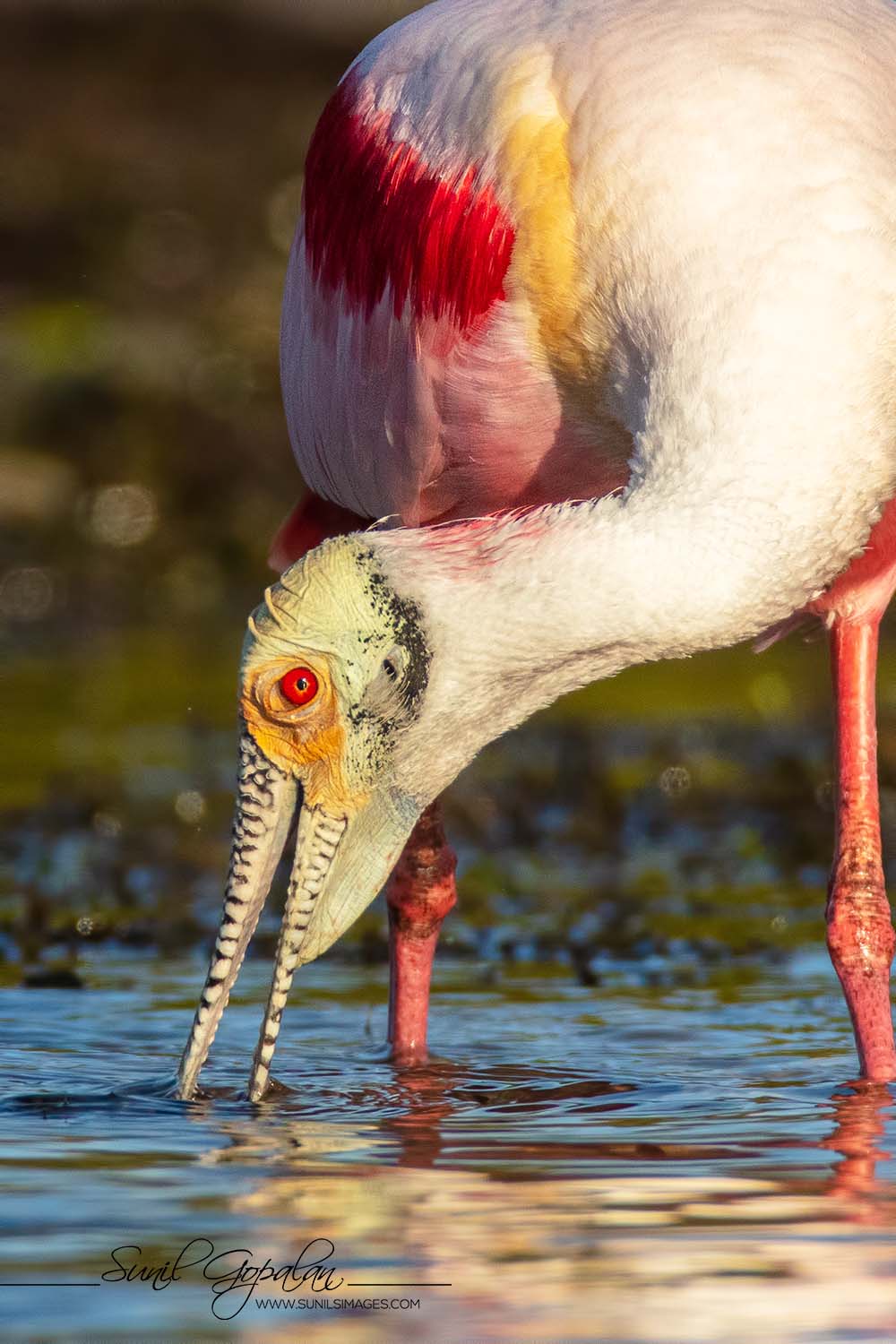
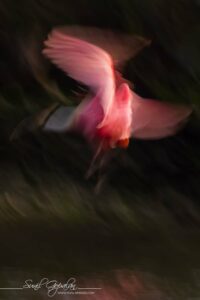
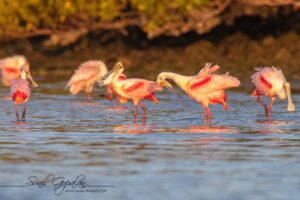
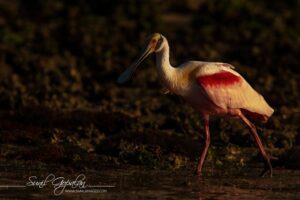
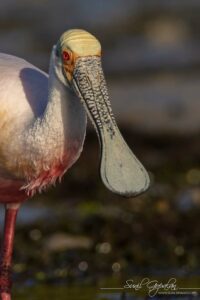
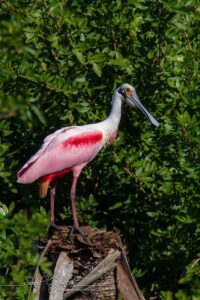
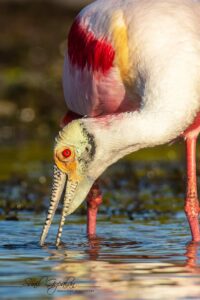
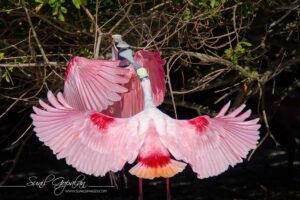
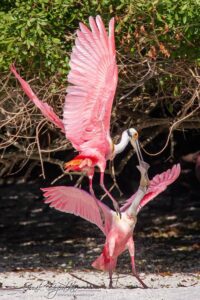
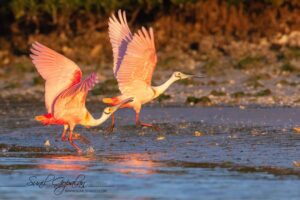
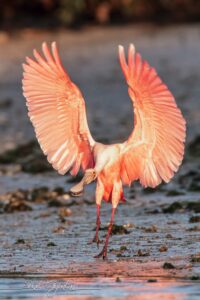
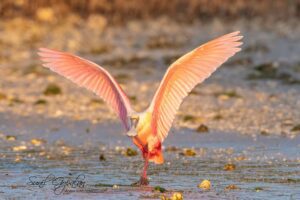
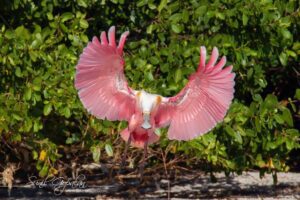
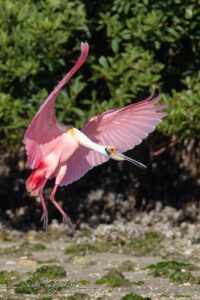
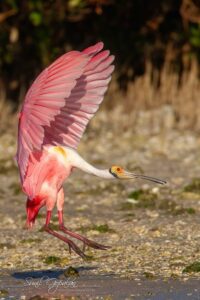
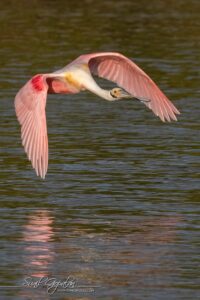
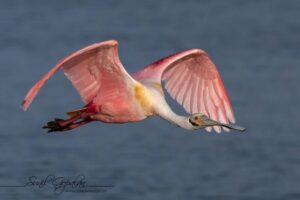
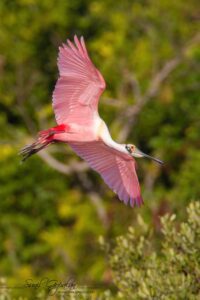
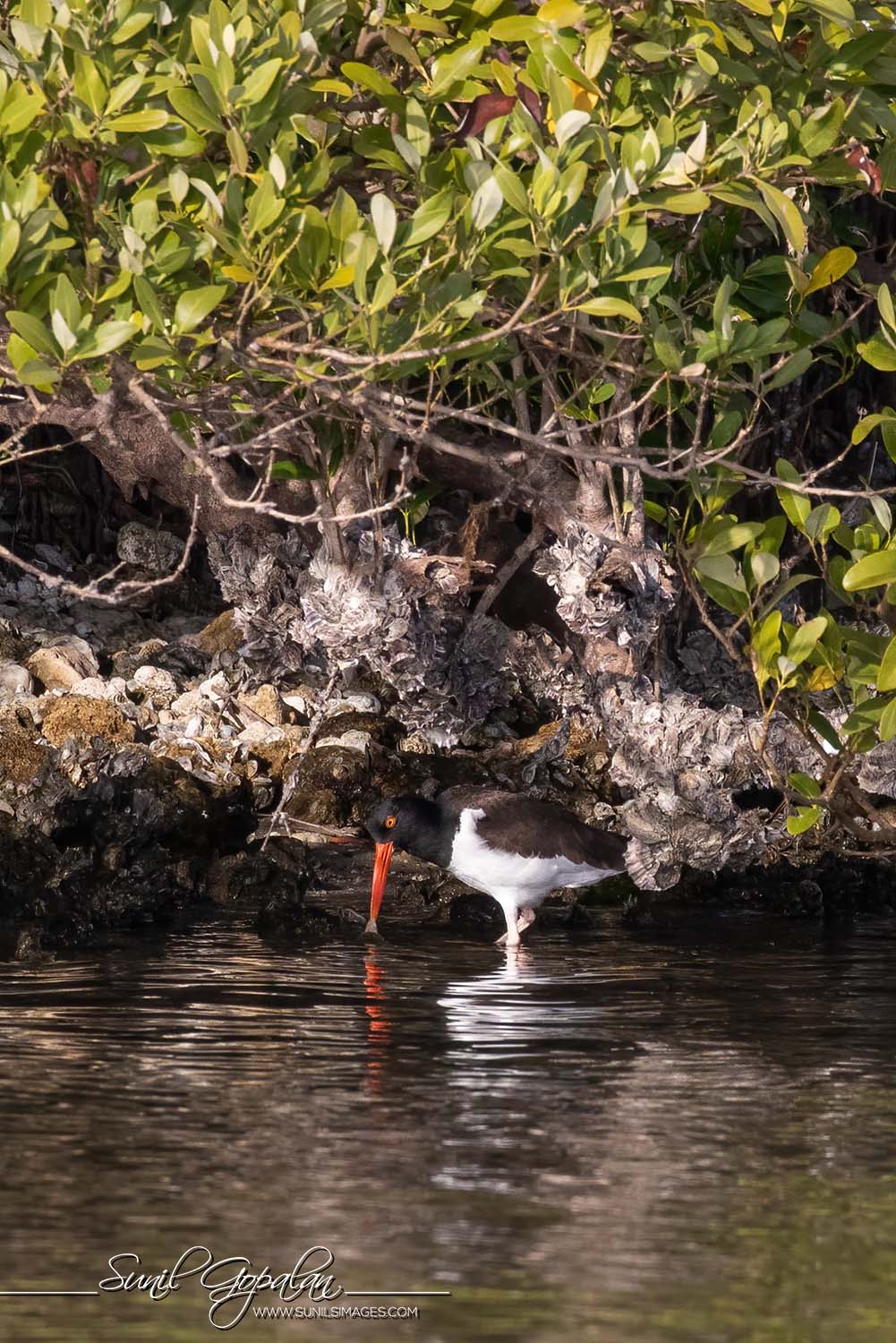
“Gorgeous at a distance and bizarre up close” is a fairly accurate description of the Roseate Spoonbill. These gregarious waders are locally common in coastal Florida and even non-birders generally know of this distinctive bird. I was able to dedicate a weekend photographing these birds at a colony in Tampa Bay.

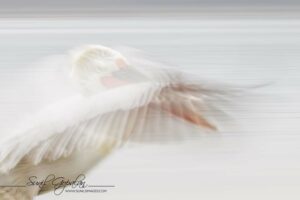
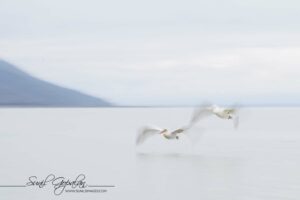
I was able to get some photos before the dawn light hit – slow shutter speeds and blurry artistic shots are definitely my cup of tea. But I always seem to get some – did you drop your camera while you got that shot sort of comments 🙂

After daylight hit, I was able to get some more conventional wading shots. The pink in the feathers get a little yellow tinge when direct sunlight hits it.

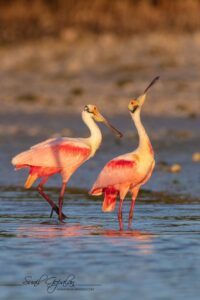
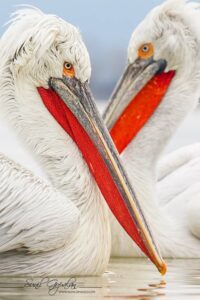
And some photographs of interaction between individuals as well. This is breeding behavior in the species.

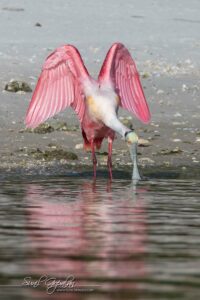
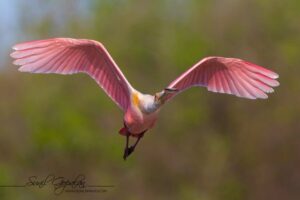
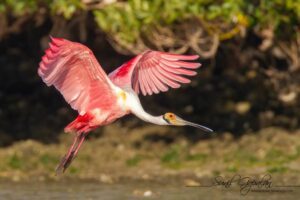
Roseate Spoonbills are gorgeous when you capture them with their wings outspread. Unfortunately these feathers made them a prime target for hunters in years past.

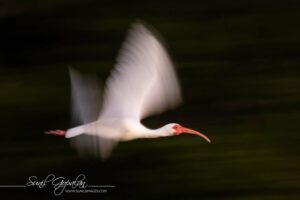
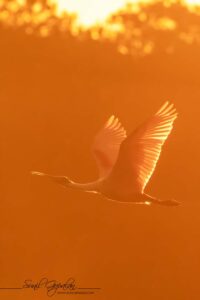
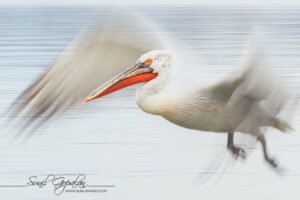
Here are some flight shots of these large birds as well. Shooting into the sun is unconventional but results in a very ethereal washed out image.
And to wrap up this post, here are some of the other birds I observed while on site for this brief weekend.
Filed Under: Birds, Travel Tagged With: birds, florida, photography, travel, wildlife

Bald Eagles of Skagit River

January 10, 2019 by Sunil Gopalan Leave a Comment

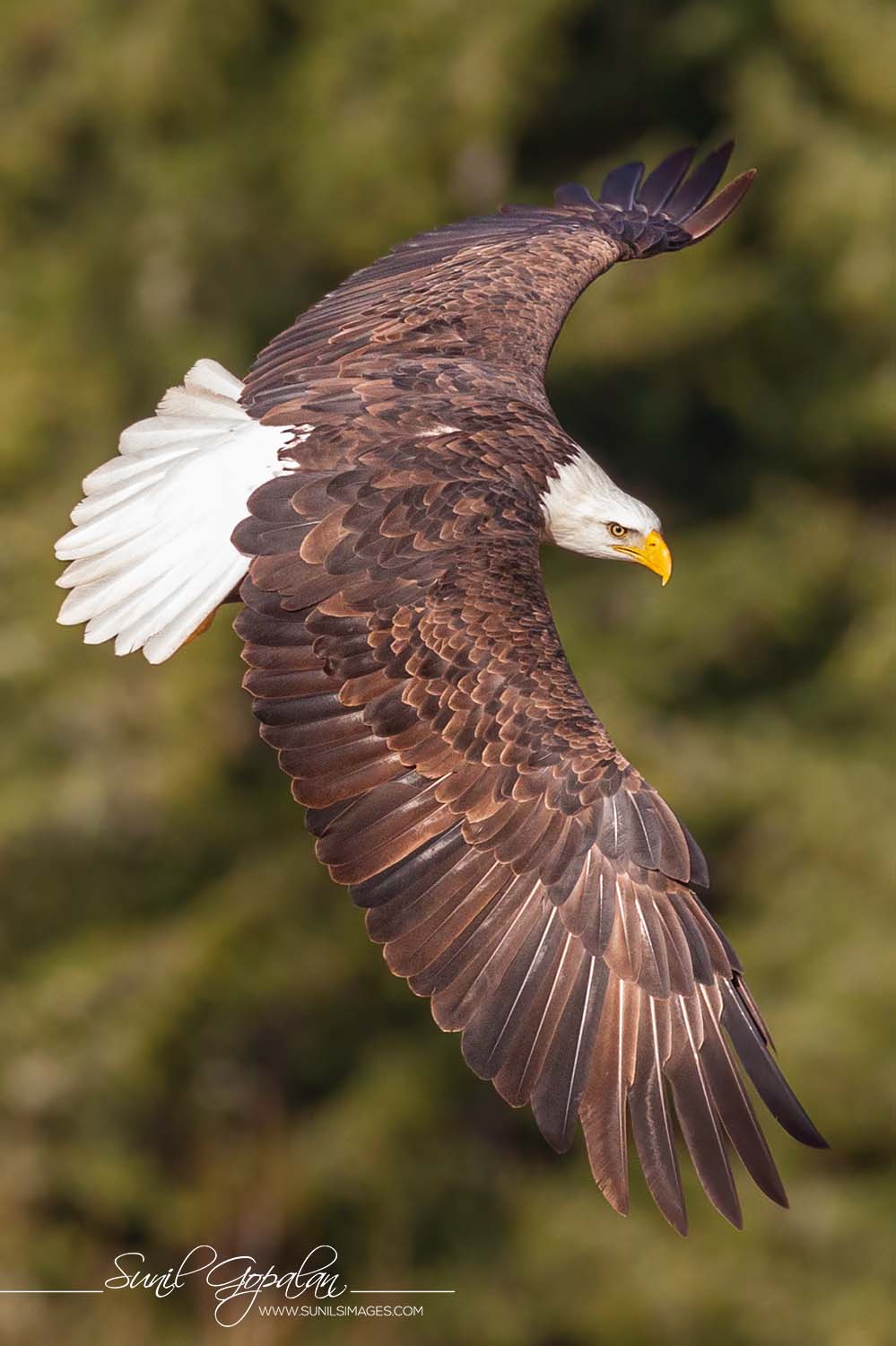
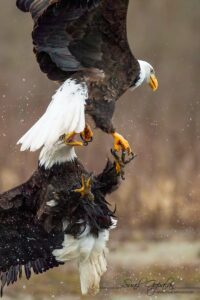
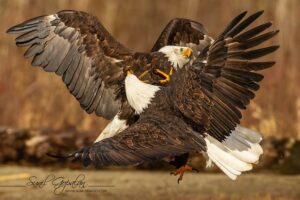
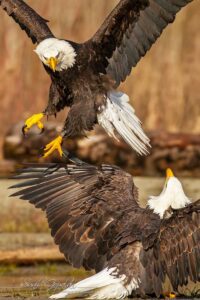
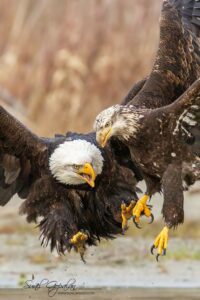
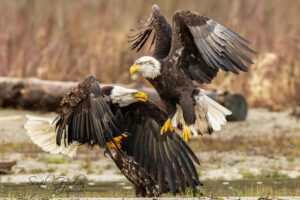
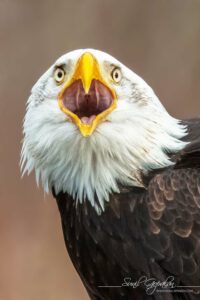
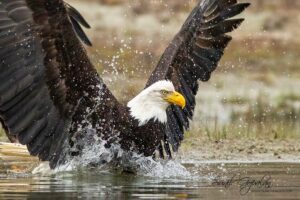
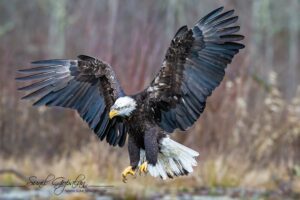
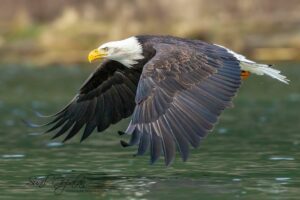
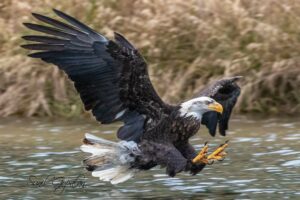
The Skagit River has arguably the largest concentration of Bald Eagles int the lower 48. In about November, the birds from Canada and Alaska start showing up to feast on the dying salmon.

I spent a long weekend photographing these birds from the water.

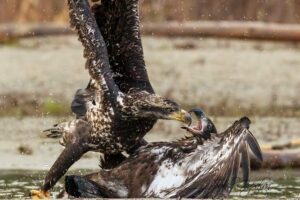
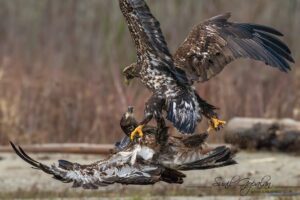
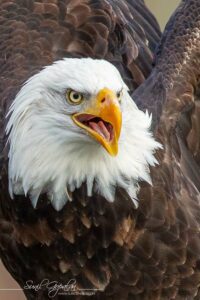
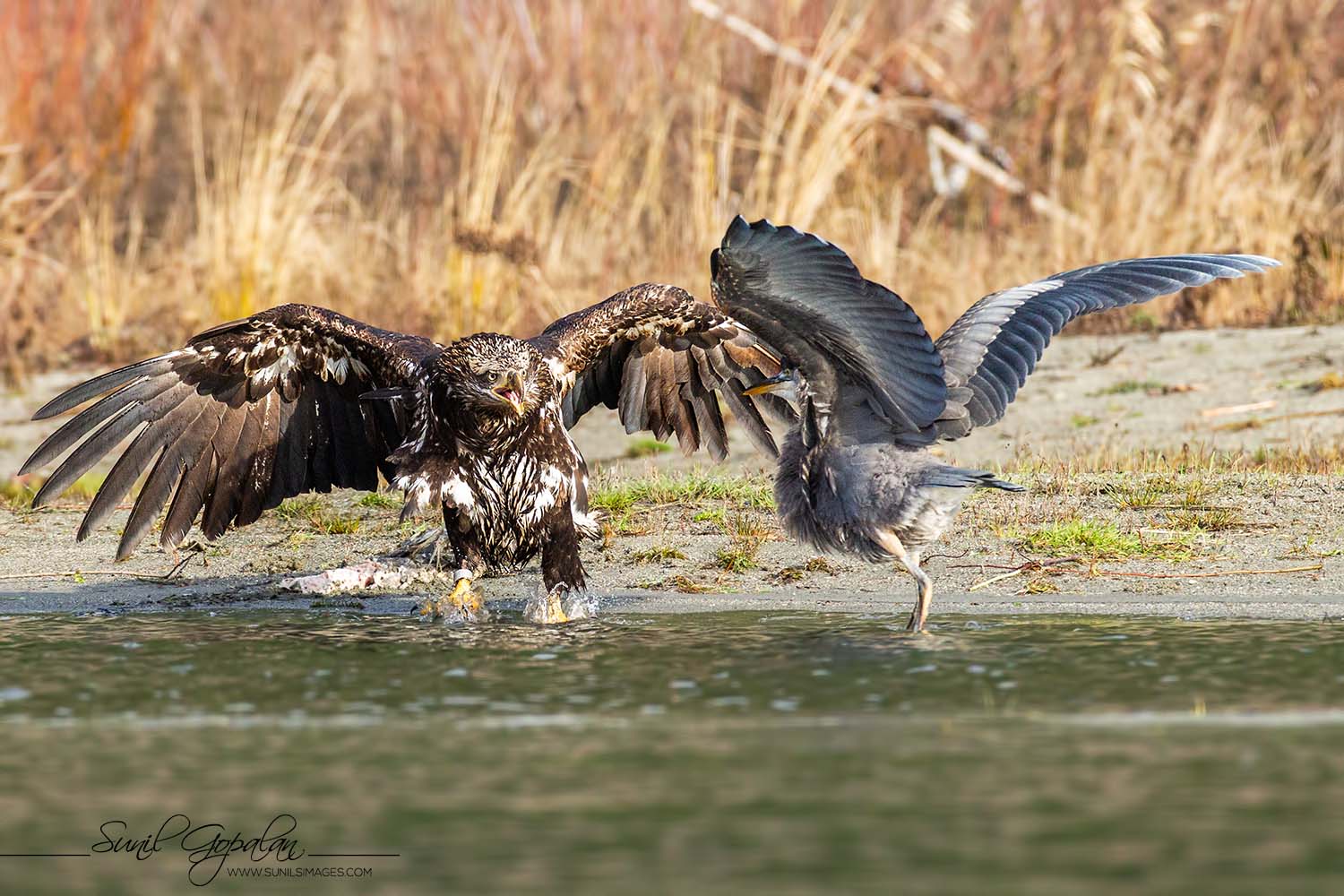
There was plenty of opportunity to photograph the eagles interacting with each other as they tried to get to the salmon. No one was hurt in all the fighting – that I could tell. This sort of aggressive behavior is typical at this time of year.

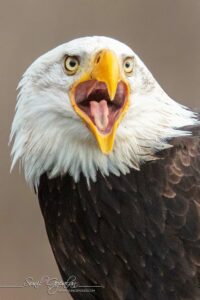
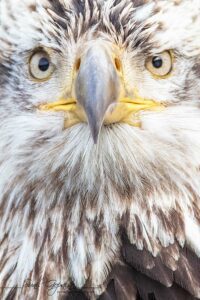
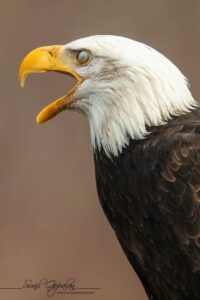
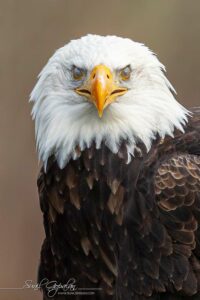
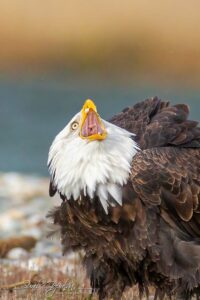
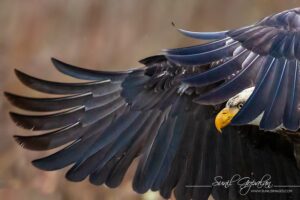
With some patience and skillful maneuvering by the boat captain, we were able to make some close approaches for some stunning head shots. I’m particularly liking the shots showing the birds nictitating membrane over their eyes.

This Great Blue Heron thought it could get in on the action. And no – it was no match for the juvenile Bald Eagle.
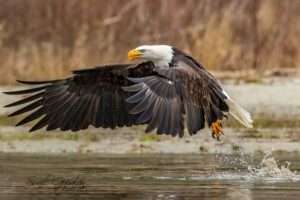
I’ll wrap up this post with a few other action shots from the weekend.
Filed Under: Birds, Travel Tagged With: birds, eagles, photography, travel

  • Page 1
  • Page 2
  • Page 3
  • Go to Next Page »

Footer

Where in the world is that bird from?

Get the latest on birds found during my travels. Read the blog.

Copyright © 2026 · SUNIL GOPALAN · Log in